
News & Insights
Product guides, technology deep-dives and industry know-how from the Souniny engineering team.
Commissioning Kitchen ESP Systems: Testing, Verification, and Performance Validation
Commissioning transforms an ESP installation from "equipment bolted in place" to "verified performance system." Proper commissioning catches installation errors, verifies design intent, and establishes the performance baseline for...
Read more →Tropical Climate Kitchen Air Purification: High Humidity, Mold, and Cooling Load Management
Tropical climates (Southeast Asia, South Asia, equatorial Africa, northern Australia, Central America) subject kitchen exhaust systems to conditions that accelerate every failure mode: 90%+ relative humidity promotes mold...
Read more →Vegan and Allergen-Free Kitchen Ventilation: Air Quality for Specialized Food Production
The explosive growth of vegan, gluten-free, nut-free, and allergen-controlled food production has created a new category of kitchen facility where airborne cross-contamination is a production-critical concern — not...
Read more →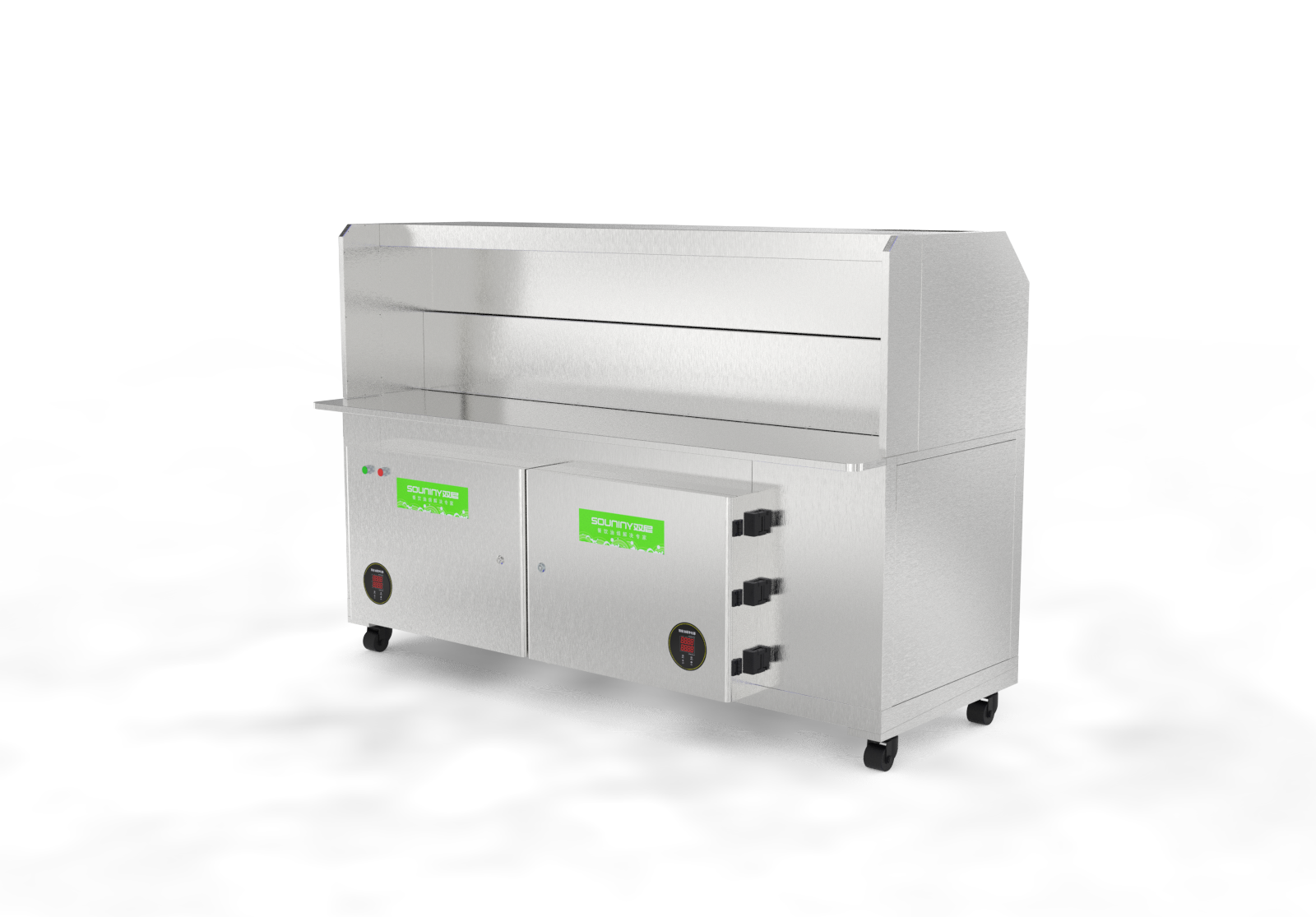
BBQ Smoke Control in Enclosed Event Venues: Water-Cycle Cart Case Study
Indoor barbecue events — from wedding receptions to corporate galas — have traditionally been impossible due to smoke and fire safety concerns. The Souniny water-cycle BBQ cart changes...
Read more → Smoke-Free Street Food: The Water-Cycle BBQ Cart in Action
Night markets and street food vendors face increasing smoke complaints and regulations. The Souniny SMK Series BBQ Cart integrates water-cycle purification, ESP and activated carbon for on-site smoke...
Read more →How to Select an ESP Manufacturer: Complete Supplier Evaluation Guide
The ESP market spans from established industrial air quality companies to low-cost commodity producers. Price can differ 5:1 — but true 10-year cost can be 3:1 in the...
Read more →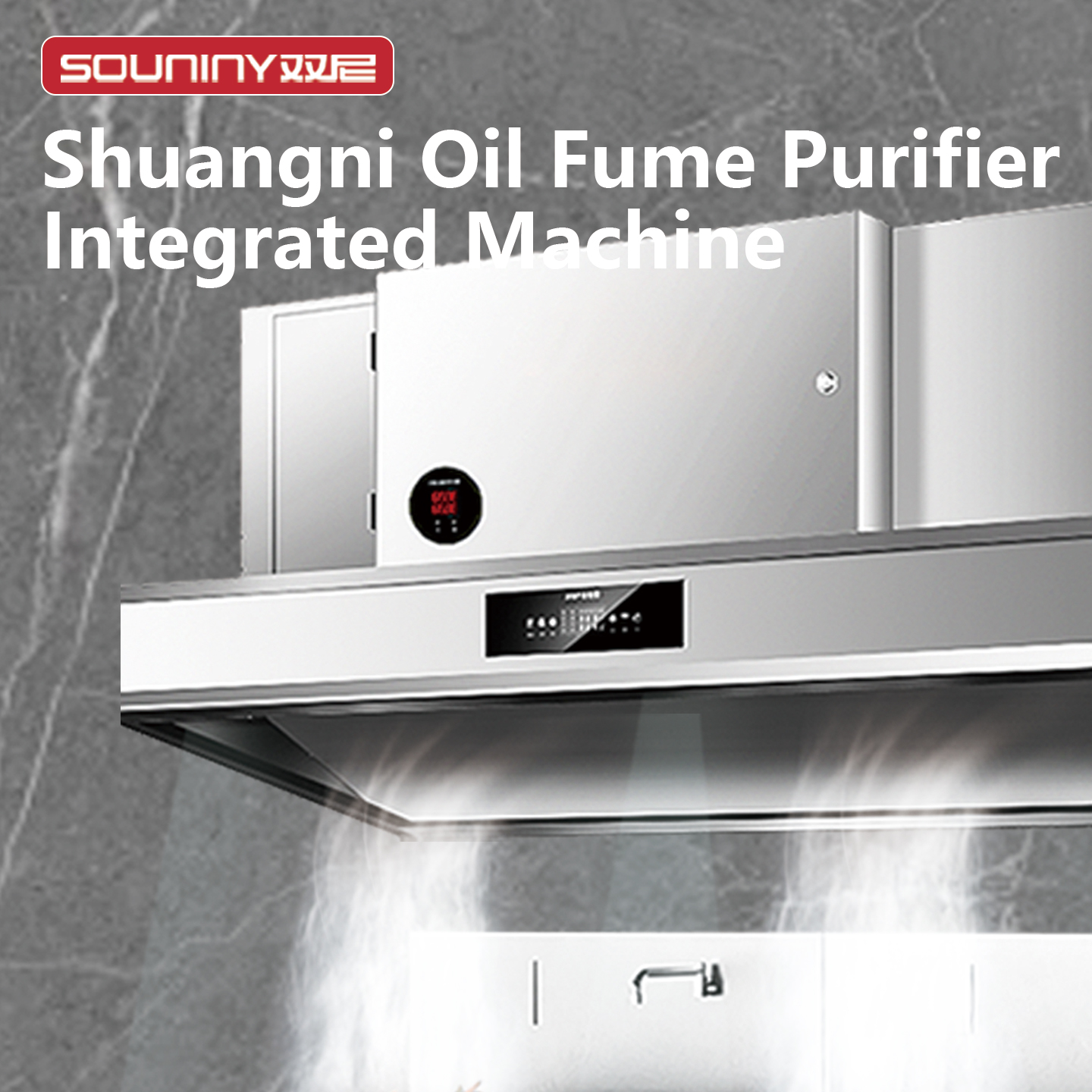
Korean BBQ Tabletop Grill Ventilation: ESP Solutions for K-BBQ Restaurants
Korean BBQ restaurants present one of the most challenging ventilation scenarios in commercial food service: dozens of independent cooking sources distributed across a large dining floor, each generating...
Read more →Emergency and Disaster Feeding Operations: Rapid-Deployment Kitchen Air Purification
Emergency and disaster feeding operations — whether responding to natural disasters, conflicts, or public health emergencies — require kitchen equipment that can be deployed within hours and operate...
Read more →American Kitchen Ventilation Standards: NFPA 96, IMC, and UL 710B Compliance
The United States has the most complex regulatory landscape for commercial kitchen ventilation, with the National Fire Protection Association (NFPA) setting fire safety requirements, the International Mechanical Code...
Read more →Air Purification for University and School Canteens: Feeding Thousands Cleanly
University and school canteens present a unique air quality challenge: they must serve thousands of meals in compressed time windows (typically 11:30-13:30), generating intense cooking emissions in short...
Read more →Religious and Community Kitchen Ventilation: Gurdwaras, Temples, Mosques, and Churches
Religious and community kitchens serve some of the largest meal programs in the world — Sikh gurdwara langars feeding thousands daily, temple annadanam, mosque iftar meals during Ramadan,...
Read more →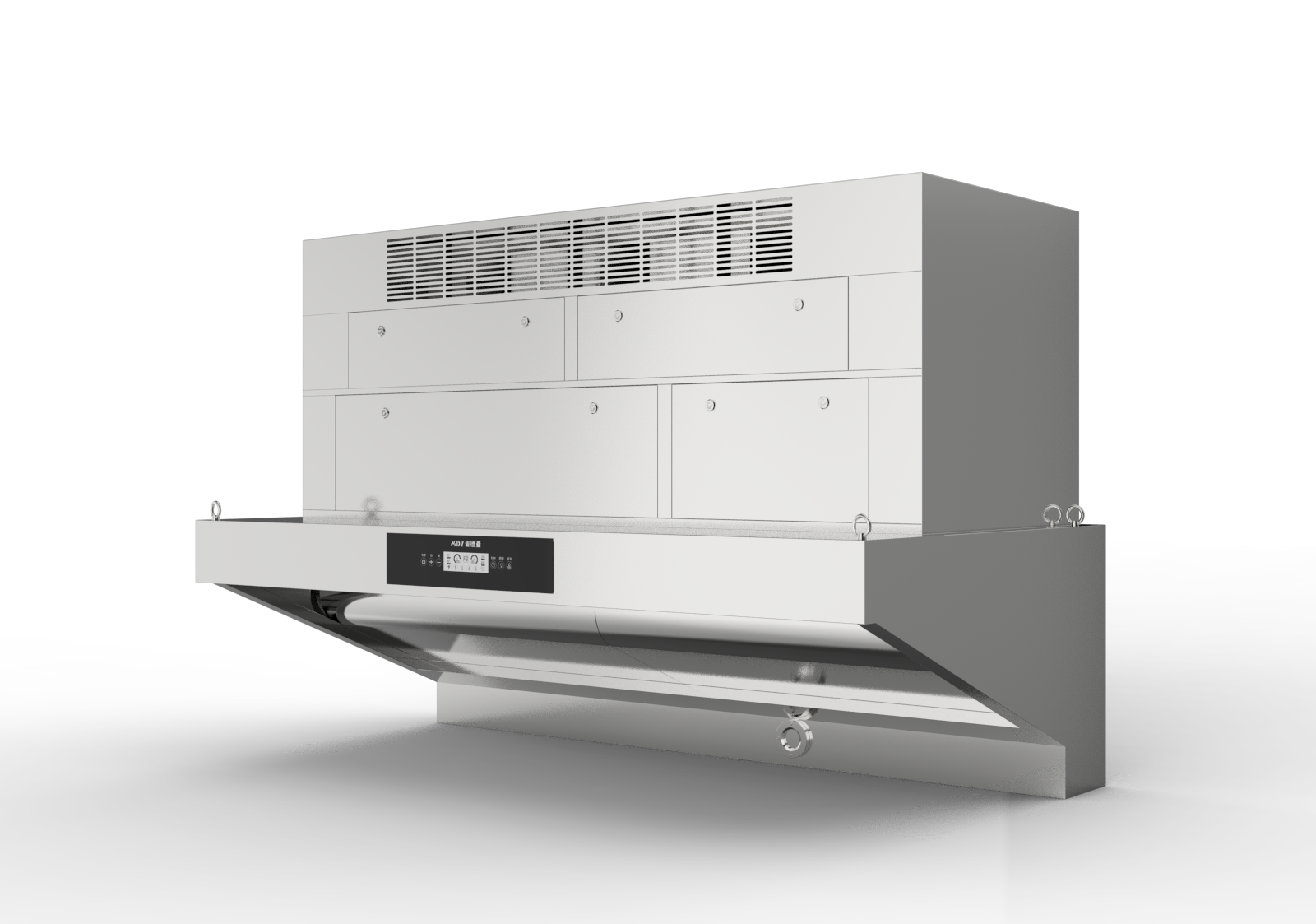
Ductless vs Ducted ESP: Choosing the Right Kitchen Ventilation Architecture
The choice between ductless and ducted ESP affects construction cost, energy consumption, architectural freedom, and long-term flexibility. This article provides the structured comparison and decision framework.ParameterSpecificationDuctless ESPPros: no...
Read more →