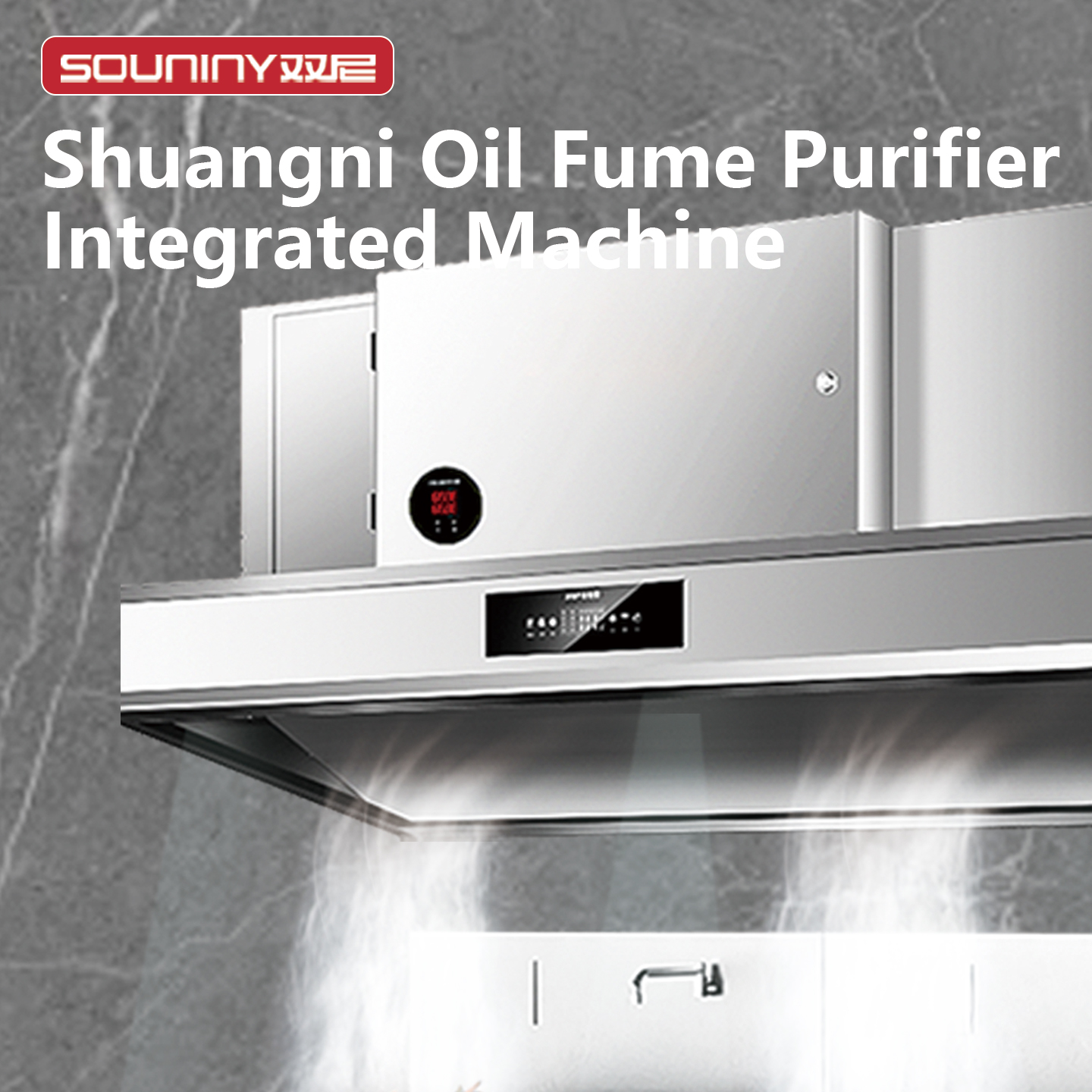
Teppanyaki and live cooking dining formats depend on the visual theater of cooking — flames, steam, the chef’s knife skills — all within arm’s reach of diners. Traditional overhead hoods destroy this intimacy. Souniny low-profile and side-draft ESP systems preserve the performance while capturing emissions at their source.
| Parameter | Specification |
|---|---|
| Recommended Models | CV-B (countertop side-draft) / Prince ESP-2000 (overhead low-profile) |
| Capture Method | Side-draft at cooking surface or low-profile overhead canopy |
| Noise at Diner Position | 42-48 dB(A) — below conversation level |
| Visual Impact | Integrated into counter or ceiling; inconspicuous stainless finish |
| Airflow | 1,500-3,000 m³/h (proportional to grill surface) |
| Ductless Operation | Standard — recirculates cleaned air, no ductwork needed |
Application Scenarios
- Premium teppanyaki restaurant (Dubai): A luxury hotel’s signature Japanese restaurant with 6 teppanyaki tables uses CV-B countertop units built into each table. The side-draft intake is a 15mm slot at the rear of the teppanyaki plate — virtually invisible to diners. The chef performs the full theatrical presentation (flaming onion volcano, knife acrobatics) without any overhead obstruction. Post-dinner guest surveys rate “air quality” at 4.8/5.
- Benihana-style chain standardization (USA): A teppanyaki chain standardized on Prince ESP-2000 for all new locations. The low-profile overhead canopy is 800mm above the grill surface — high enough to not obstruct the chef’s movement or diners’ view, but positioned to capture the thermal plume that naturally rises from the hot grill. The chain’s VP of Operations calls the system “the single best equipment decision we’ve made” — previous locations with conventional hoods averaged 3 odor complaints per week; new locations average zero.
- Hotel buffet live station (Singapore): A 5-star hotel’s all-day dining buffet replaced the conventional hood over the live noodle station with a Prince ESP-2000. The previous hood was described by guests as “industrial-looking and noisy.” The Prince unit, finished in brushed stainless to match the buffet decor, is frequently complimented by guests. The executive chef notes that the station’s revenue increased 18% after the upgrade — attributed to improved visual appeal.
- Yakiniku (Japanese BBQ) restaurant (Seoul): A Korean restaurant specializing in yakiniku (tabletop Japanese BBQ) uses CV-B units at each table. Charcoal-grilled meat generates intense localized smoke directly in diners’ breathing zone. The side-draft system captures smoke within 10cm of the grill surface. The restaurant is notable for being one of the few yakiniku establishments in Seoul where diners leave without clothes smelling of grilled meat — a competitive differentiator the restaurant actively promotes on social media.