Hong Kong has one of the highest densities of food service establishments in the world — an estimated 15,000+ licensed restaurants in a territory of just 1,100 km², with many in mixed-use towers where restaurants and residences share the same building. This creates uniquely challenging air quality dynamics that Souniny ESP has been deployed to address.
| Parameter | Specification |
|---|---|
| Hong Kong Challenges | Ultra-compact kitchens (often <20 m²); Mixed-use towers (restaurant below, residence above); Stringent Food & Environmental Hygiene Dept (FEHD) requirements; High rental cost (equipment footprint matters) |
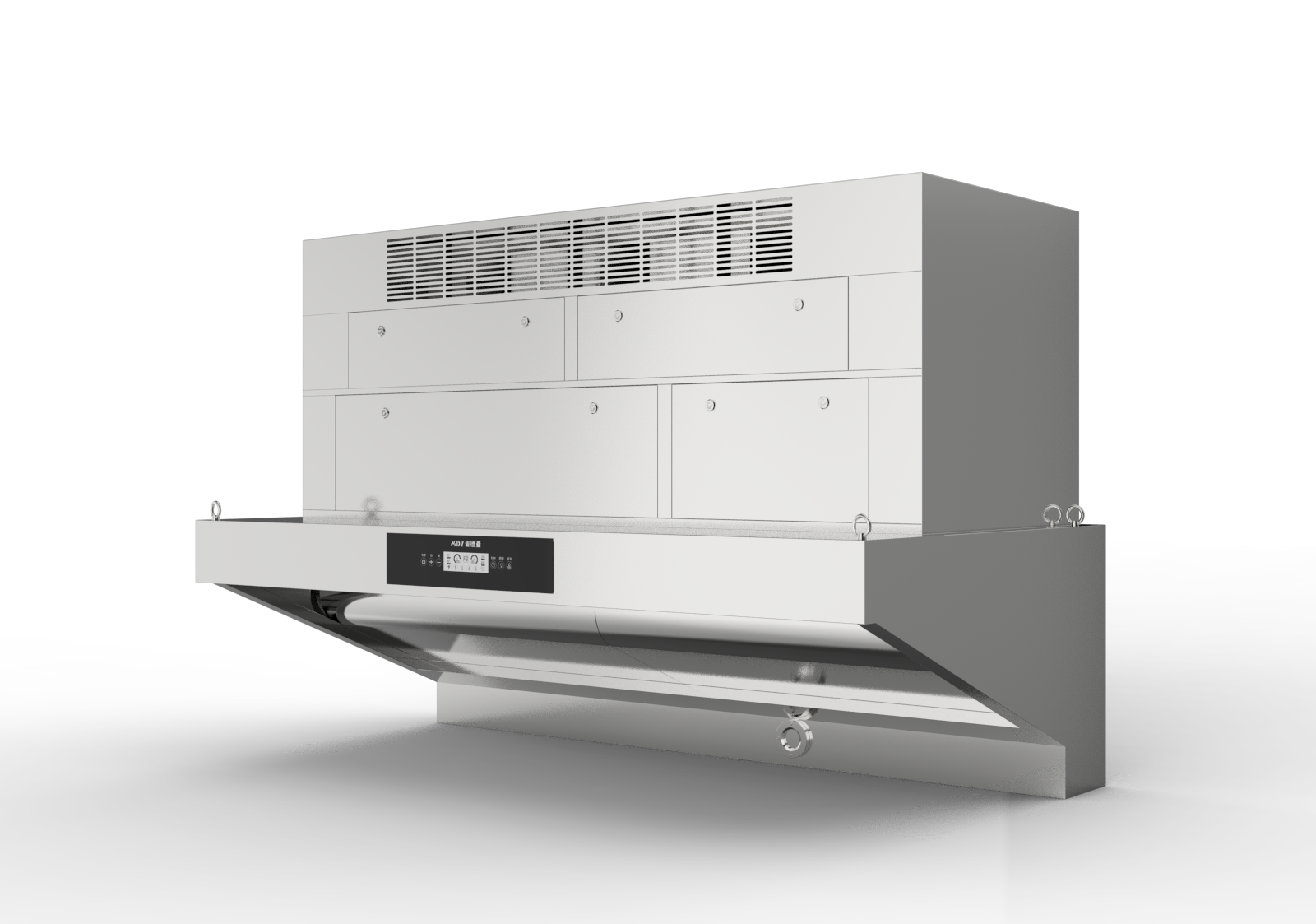
| Recommended Models | Prince ESP-2000, Light-duty Series, Cabinet-Cabinet Purifier (all compact, ductless) |
| Regulatory Reference | FEHD ventilation requirements; Buildings Department fire safety; Environmental Protection Department air pollution |
Application Scenarios
- Central district cha chaan teng (HK-style cafe): A classic Hong Kong cafe in Central with a kitchen of only 12 m² serving 200+ covers daily. The kitchen operates a wok station, a fryer, and a noodle boiler in impossibly tight quarters. The Prince ESP-2000 is wall-mounted above the wok with zero floor space consumption. The FEHD inspection noted the ESP installation as “exemplary” for a kitchen of this size.
- Mixed-use building noodle shop (Mong Kok): A noodle shop on the ground floor of a 20-story residential building was facing legal action from the incorporated owners (building management) over cooking odors affecting upstairs units. Installing Souniny ESP with carbon+UV treatment eliminated the odor issue. The building management withdrew the legal complaint, and the restaurant’s FEHD license was renewed without odor-related conditions.
- Industrial building “hidden” restaurant (Kwun Tong): Restaurants operating in industrial buildings (a common Hong Kong phenomenon) face particular challenges: the buildings were never designed for food service and often lack adequate ventilation infrastructure. A Kwun Tong industrial building restaurant uses Cabinet-Cabinet Purifier units because the concrete structure cannot be penetrated for ductwork. The fully portable setup means the kitchen can relocate if the building’s usage permit situation changes.
- Shopping arcade food stalls (Tsim Sha Tsui): A shopping arcade with 15 small food stalls in Tsim Sha Tsui uses individual Light-duty Series units at each stall. The building’s age (1960s construction) made any centralized duct system cost-prohibitive. The distributed approach cost 60% less than the centralized alternative and allows individual stall owners to be responsible for their own equipment maintenance.