Building a ghost kitchen — a delivery-only food production facility — requires fundamentally different equipment choices than a traditional dine-in restaurant. Without customers to impress with ambiance, every equipment decision must be optimized for production efficiency, flexibility, and operational cost. Air purification is one of the most important — and most frequently underspecified — equipment categories in ghost kitchen builds.
| Parameter | Specification |
|---|---|
| Why ESP for Ghost Kitchens | Ductless design enables flexible pod layout; Reconfigurable as tenants/brands change; Lower installation cost than ducted (critical for startup economics); Energy savings from eliminated make-up air (operating cost reduction) |
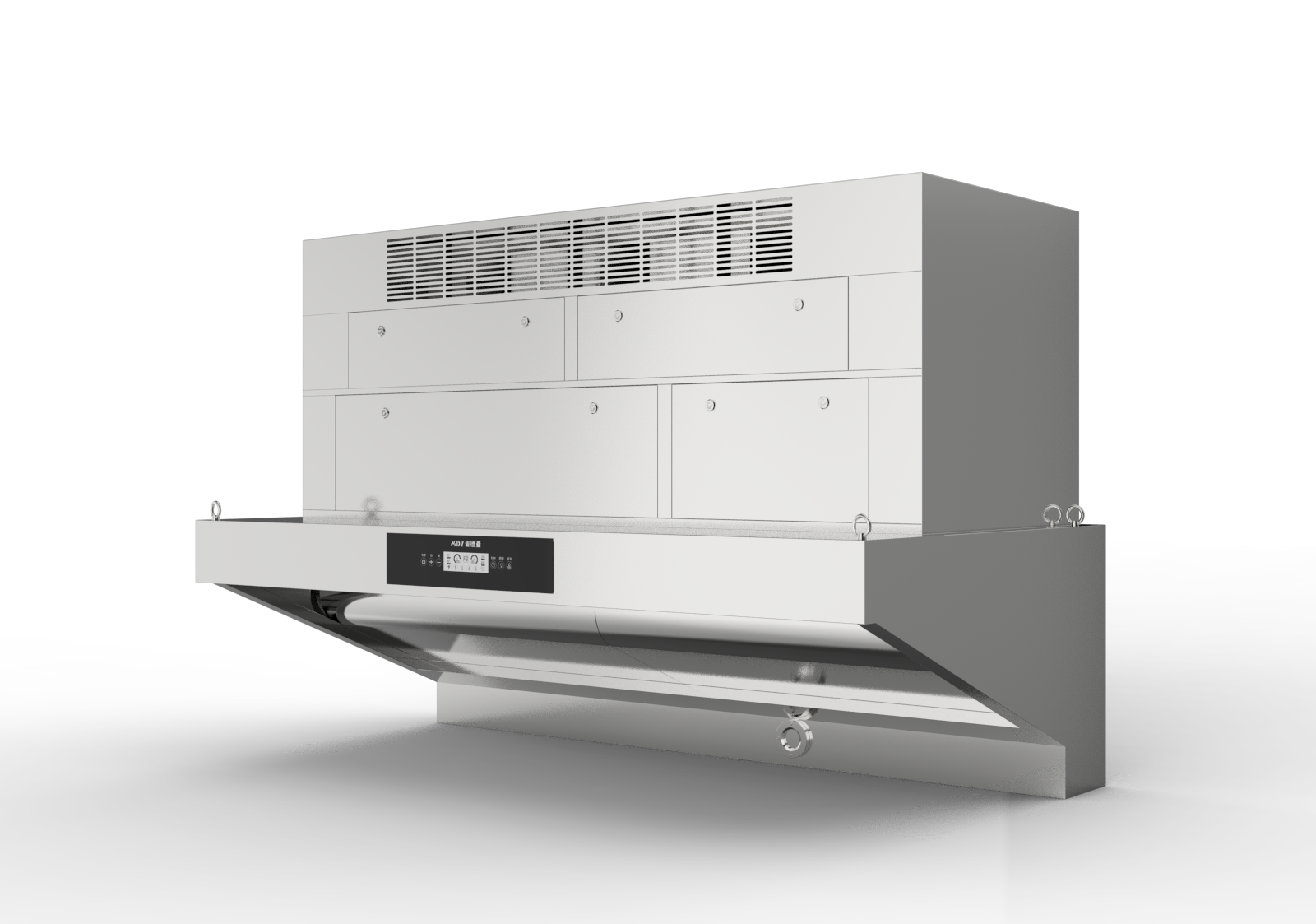
| Recommended Models | Heavy-duty Series/60 (high-volume pods), Light-duty Series (standard pods), Cabinet-Cabinet Purifier (ultra-flexible, zero-install pods) |
| Pod Design Considerations | Each pod should have independent ESP (tenant isolation); Common areas benefit from centralized odor treatment; Fire-rated separation between pods and common duct (if ducted) |
Application Scenarios
- Startup ghost kitchen build (London): A first-time ghost kitchen operator building a 400 m² facility with 8 kitchen pods specified Souniny ductless ESP as the standard ventilation approach. The rationale: (1) the industrial unit lease prohibited roof penetrations for ductwork, (2) the business plan assumed pod tenant turnover every 12-18 months, requiring easy reconfiguration, (3) ductless eliminated £40,000 in duct installation cost — critical for startup budget. The facility launched with 6 pods occupied and reached profitability in month 4.
- Multi-brand ghost kitchen operator standardization (Dubai): A ghost kitchen operator with 3 facilities and 30+ virtual brands standardized on Souniny Heavy-duty Series for high-volume pods (Asian cuisine, fried chicken) and Light-duty Series for standard pods (burgers, pizza, salads). The standardized equipment approach reduced maintenance training requirements (one ESP type = one training module) and allowed cross-facility spares sharing. The operations director estimates $20,000 annual saving from standardization.
- Failed ghost kitchen ventilation post-mortem: A ghost kitchen that opened with inadequate ventilation (domestic extractor fans) closed within 6 months. Post-mortem identified ventilation as the #2 cause of failure (after unit economics): (1) cross-contamination between pods ruined food quality (curry smell in salad pod, refunds 3× industry average), (2) fire marshal issued closure notice due to grease accumulation, (3) delivery driver waiting area was “unbearable” and drivers refused to collect from the facility. Proper ESP from day one would have cost $25,000 — the closure cost the investors $300,000.
- Ghost kitchen in residential area (Singapore): A ghost kitchen operating in a light industrial building adjacent to a residential estate faced intense pressure from neighbors over cooking odors. The facility upgraded all pods from basic extraction to Souniny ESP + carbon + UV. The upgrade cost $45,000. Odor complaints ceased. The facility’s URA (Urban Redevelopment Authority) operating license, which was at risk of non-renewal, was renewed without conditions.